
Maintenance planning
Stamping Line Maintenance: Find the Change Early
April 28, 2023
By DeLouie Industrial
Maintenance guide
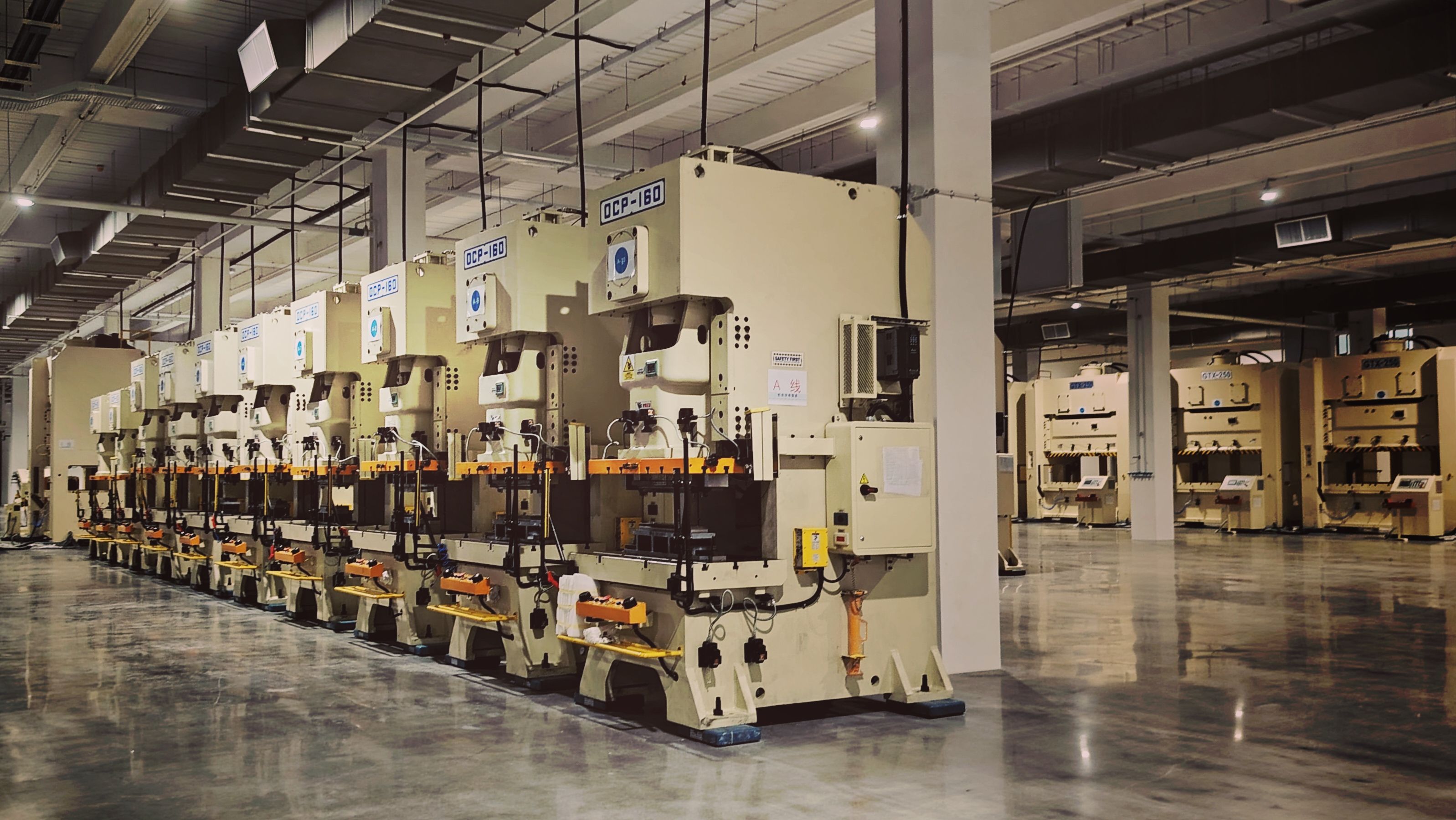
Repeated movement and load make small changes valuable maintenance signals on stamping equipment and related production machinery.
Build a useful baseline
Maintenance planning is easier when the normal condition is described before a problem appears. For a stamping line, that can include the usual cycle, material, operating sound, visible movement, tooling condition, and points that are already known to need regular attention. The baseline should describe the equipment in its actual production context rather than relying only on a generic checklist.
Operator input matters because it captures changes that may not be obvious during a short inspection. A new sound at a particular point in the cycle, a change in part quality, or a repeated stop can help narrow the area that needs review.
Inspect the load path and interfaces
Repeated load makes the relationships between tooling, fasteners, guides, shafts, bearings, drives, guards, and supports important. Look for movement where there should be none, wear patterns, loose hardware, rubbing, damage, or evidence that a component is carrying load differently than intended. Any inspection must follow the site’s isolation and access requirements.
A condition found at one point can be related to a neighboring component. For example, a visible mark may be evidence of contact, but the cause could involve alignment, support, looseness, or a change in the material path. Record the evidence and inspect the surrounding relationship before deciding on a replacement.
- Changes in cycle sound, movement, speed, or product quality
- Tooling interfaces, guides, fasteners, and accessible supports
- Drives, shafts, bearings, guards, and signs of rubbing or heat
- Recurring stops and what was happening immediately before each stop
Use shutdown time deliberately
A shutdown window is easier to protect when the scope is specific. Separate work that can be completed while the line is available from work that requires isolation, access, disassembly, or testing. Confirm parts, tools, lifting or access equipment, measurements, and responsible handoffs before the line is taken out of service.
Do not turn a planned shutdown into an unbounded list of adjustments. Use the findings to prioritize conditions that affect safe operation, quality, reliability, or future access. Record deferred work with enough detail that it can be planned rather than rediscovered from scratch.
Verify the return to service
After maintenance, check the areas that were opened, adjusted, or replaced and follow the site’s approved return-to-service sequence. Confirm that guards, fasteners, connections, clearances, and access points are restored. Operational checks should be appropriate to the equipment and completed by the people responsible for the line.
A clear handoff notes what was done, what was observed, what was tested, and what should be watched during the next production run. That record turns the shutdown into a useful reference for the next inspection.
Working checklist
Turn the next service visit into useful information.
- 01Describe normal cycle, material, sound, movement, and product condition.
- 02Collect operator observations with the point in the cycle where they occur.
- 03Inspect the load path, interfaces, supports, drives, and guarding.
- 04Scope shutdown work around access, parts, tools, and testing.
- 05Restore guards and connections before the approved return-to-service check.
- 06Record completed work, deferred work, and follow-up observations.
This guide is general information. Site-specific work must follow the equipment documentation, the site's procedures, and the requirements of the people responsible for the work area.
Related service
Preventive Maintenance
Keep equipment serviceable with scheduled inspections, condition checks, lubrication, alignment, and component care. Maintenance work is planned around the machine, the site, and the work it needs to do.