
Repair guide
Precision Component Service
April 28, 2023
By DeLouie Industrial
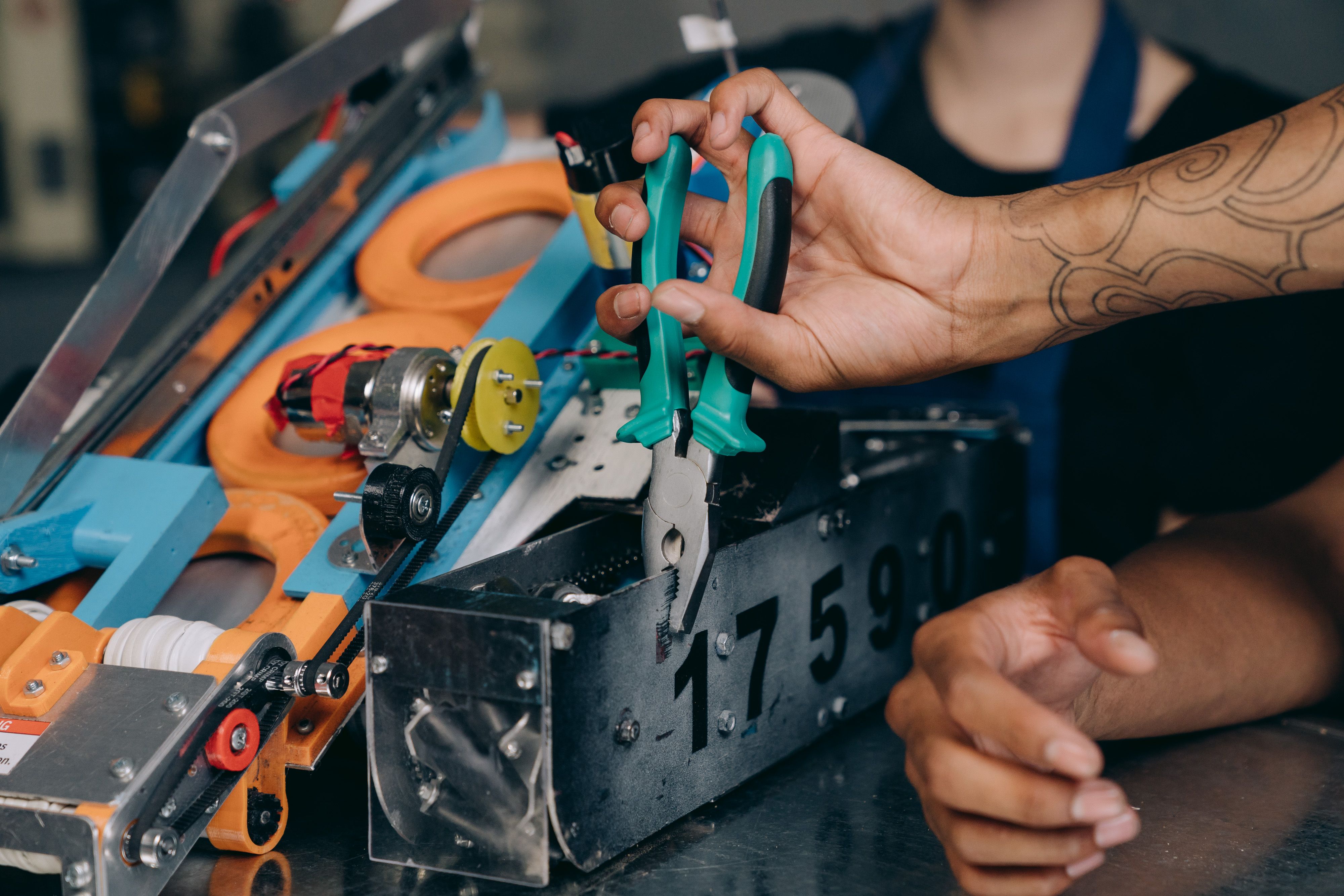
Maintenance guide
A small component can influence an entire machine, which makes identification, fit, alignment, and clean records important parts of service work.
Understand the component’s role
Before a component is removed, identify what it does and what depends on it. A fitting, fastener, bearing, seal, coupling, guide, or small mounting part may look isolated while affecting alignment, movement, load, sealing, or access elsewhere in the machine. Equipment drawings, manuals, previous notes, and the physical assembly should be considered together.
Record the original condition before cleaning or disassembly where practical. Note orientation, mating surfaces, visible wear, damage, contamination, looseness, and any marks that show contact or movement. A clear starting record helps distinguish the original finding from what changes during repair.
Inspect the fit, not only the part
A replacement part can be correct while the surrounding fit is not. Check the mating surfaces, fastener condition, seating, alignment, supports, and the space needed for movement or service. Look for burrs, damage, distortion, contamination, or evidence that the component has been carrying load unevenly.
Measurements and manufacturer requirements should guide decisions about wear, tolerance, torque, clearance, and replacement. Avoid treating a visual match as proof that two parts are interchangeable. If the required information is not available, record the gap and confirm it before final assembly.
- Component identity, orientation, and function in the larger assembly
- Mating surfaces, seating, alignment, supports, and clearances
- Fasteners, connections, contamination, and evidence of movement
- Measurements or manufacturer requirements needed before reassembly
Keep the work clean and traceable
Precision work benefits from a controlled work area and an orderly sequence. Keep removed parts, fasteners, measurements, and photos associated with the equipment and job. Clean only in a way that is suitable for the component and the site; cleaning should reveal condition, not remove evidence that needs to be recorded.
If the work involves a setting, alignment, connection, or adjustment, write down the final condition rather than relying on memory. A short record of what changed and why is useful during future troubleshooting and preventive maintenance.
Verify the assembly before handoff
After reassembly, inspect the work area and complete the checks appropriate to the equipment. Confirm that fasteners, guards, connections, clearances, lubrication, and access have been restored. The approved operational check should look for the original symptom as well as any new noise, movement, heat, leakage, or interference.
DeLouie Industrial brings precision component work into a larger repair plan so the part, the machine, and the operating environment are considered together. The final handoff should make clear what was serviced and what should be watched next.
Working checklist
Turn the next service visit into useful information.
- 01Identify the component and explain its role in the assembly.
- 02Record the original orientation, condition, and surrounding evidence.
- 03Inspect mating surfaces, supports, clearances, and connections.
- 04Confirm measurements and manufacturer requirements before final fit-up.
- 05Keep parts, fasteners, and findings traceable to the equipment.
- 06Verify operation and document the final condition at handoff.
This guide is general information. Site-specific work must follow the equipment documentation, the site's procedures, and the requirements of the people responsible for the work area.
Related service
Machinery Repair
Diagnose worn, damaged, or misaligned equipment and address the components that affect safe, dependable operation. From precision bench work to larger machinery, repair starts with understanding the failure.